
LITS in the News & updates
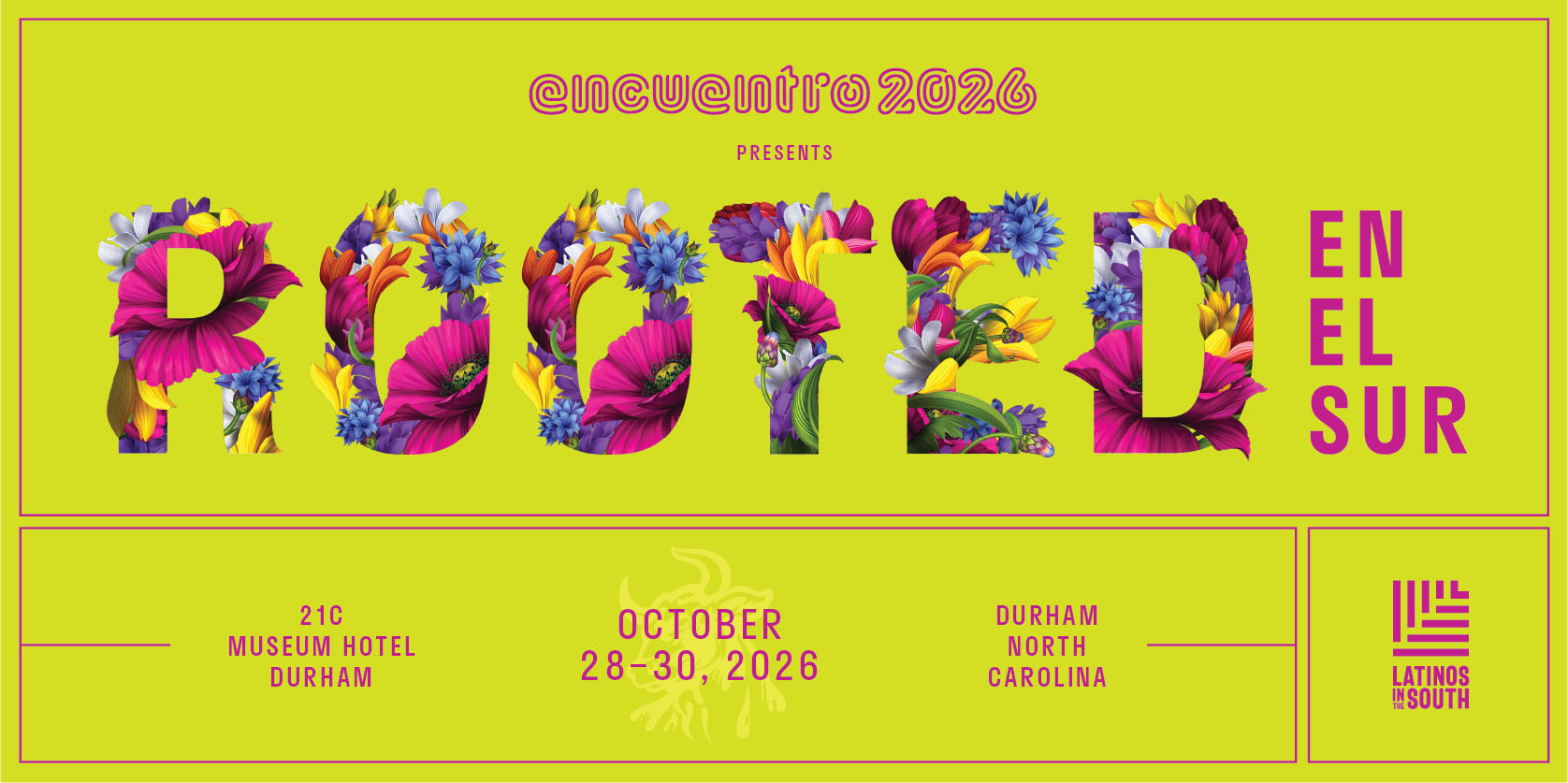
Meet the Conductors Growing Rooted en el Sur
As we begin Hispanic Heritage Month, we’re excited to celebrate the Latine leaders helping shape this year’s Encuentro. Our Conductores bring their communities, experiences, and perspectives to the table, helping guide programming and uplift the issues and ideas that matter across the South. Their leadership helps ensure Encuentro reflects the people and communities we bring together.
Read More
.png)
Stigma in the Courts and Beyond
On Zero Stigma Day, we're reminded that stigma remains one of the greatest barriers to health. Recent Supreme Court decisions impacting trans and immigrant communities show When marginalized communities are targeted, the consequences go beyond the courtroom, creating barriers to care and undermining the health and well-being of our communities.
Read More

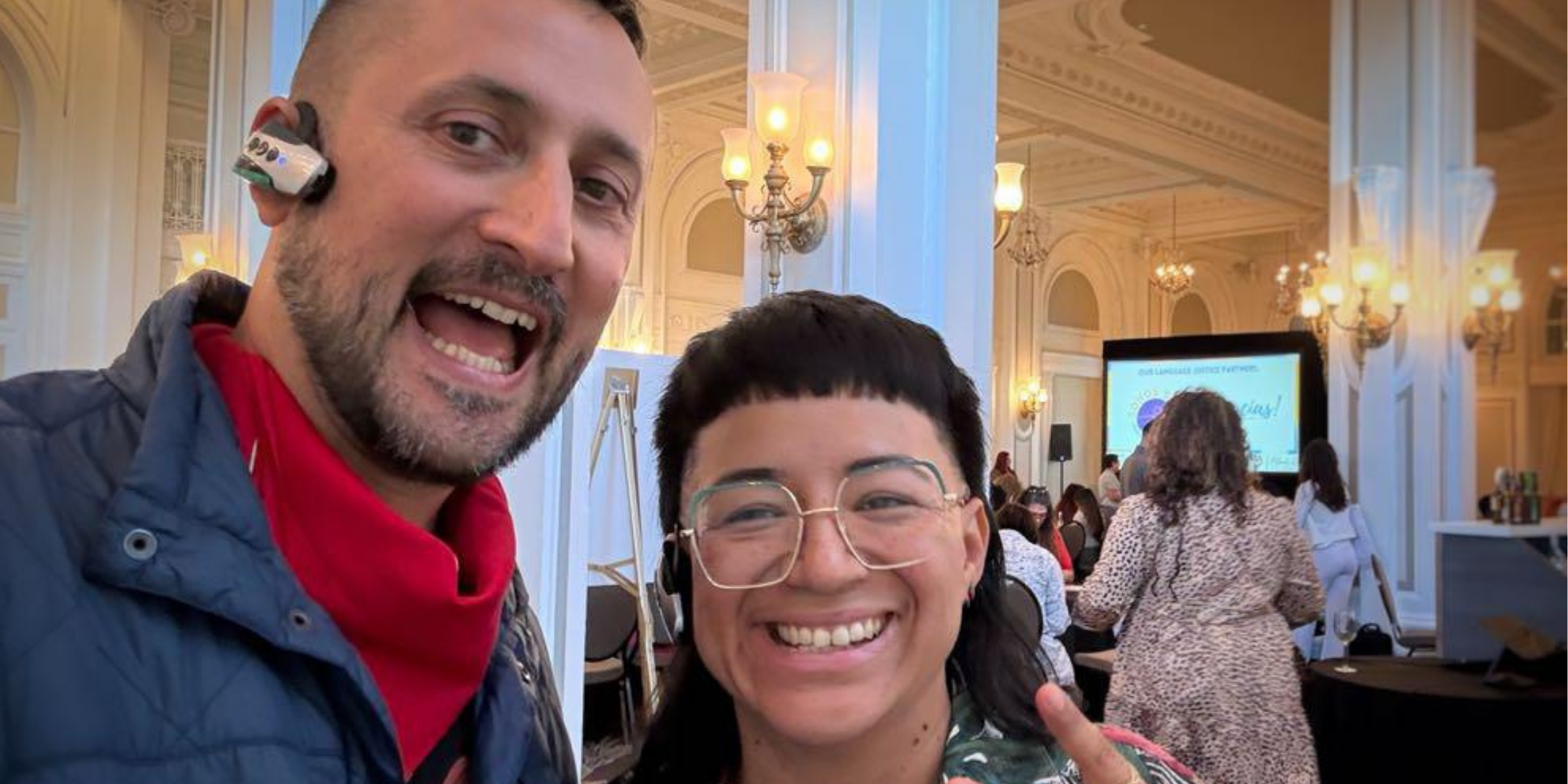
Protecting Language Justice in the Age of AI
A core tenet of the HIV movement is the right of individuals to be treated with dignity, and investing in language justice is central to creating Meaningful Involvement of People living with HIV (MIPA). However, the growing dependence on Artificial Intelligence (AI) undermines efforts to center human dignity and personhood, and that tension is particularly clear in language justice work.
Read More.png)
Campus Conversations & Community Power
Through the Ella/Her program, Latinos in the South partnered with Lambda Pi Chi Sorority, Incorporated chapters across North Carolina to host conversations on HIV awareness, stigma, sexual wellness, and prevention. Together, students engaged in community education, advocacy, fundraising, HIV testing initiatives, and connections to local HIV organizations and PrEP resources.
Read More.png)
At the Heart of Democracy
At a time when anti-LGBTQ+ and anti-immigrant attacks continue to escalate across the South, this year’s theme for International Day Against Homophobia, Transphobia, and Biphobia (IDAHOBIT), “At the Heart of Democracy,” is a reminder that democracy cannot exist when our communities are targeted, criminalized, or pushed out of public life.
Read More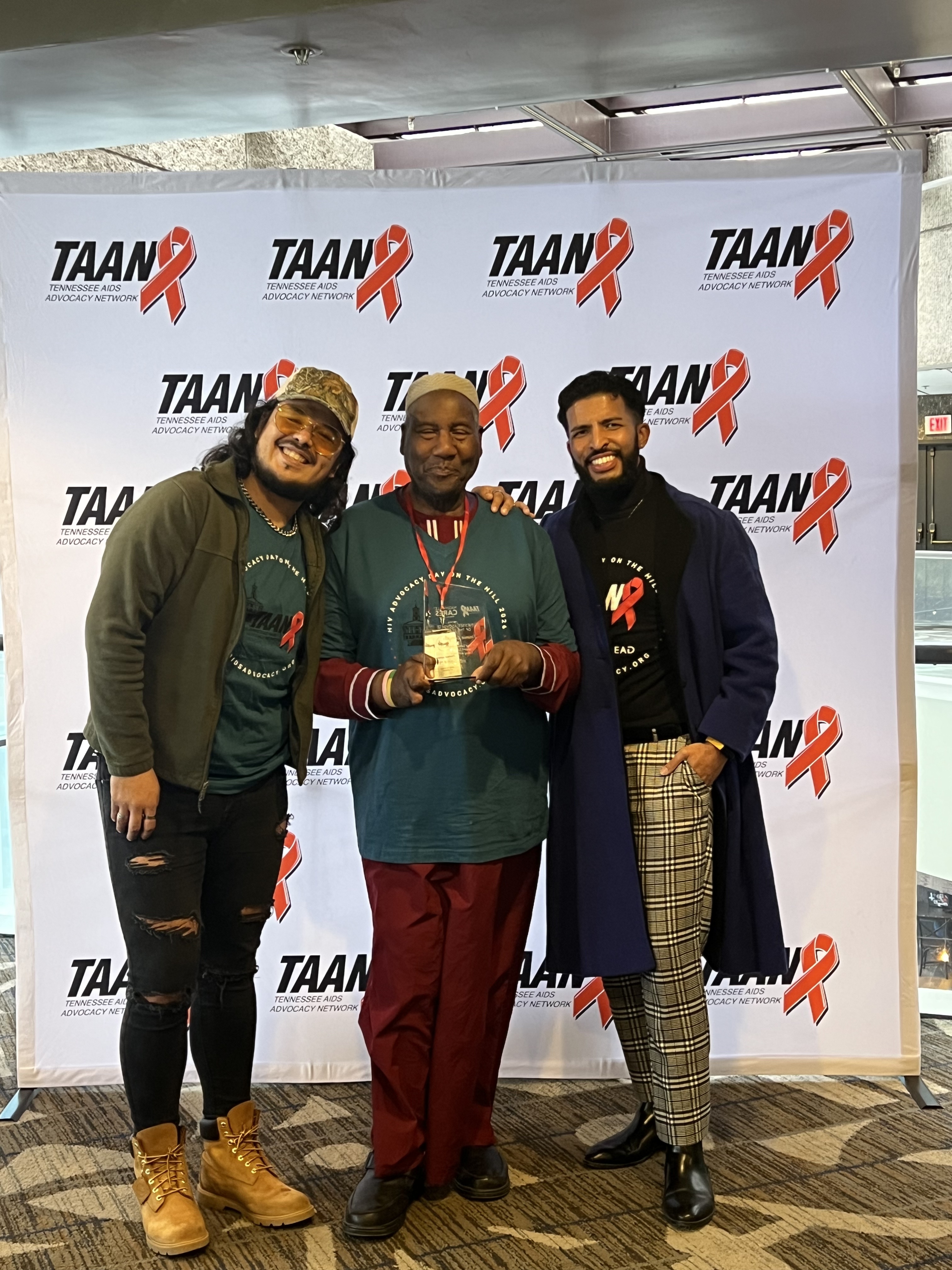
Showing Up Where It Matters: HIV Advocacy Day in Nashville, TN
In Tennessee, HIV advocates showed up at the Capitol to share information, build relationships, and push for laws grounded in science and access to care. Their presence reaffirms that even in spaces not designed for our communities, we continue fighting to be seen and heard.
Read More