
Protecting Language Justice in the Age of AI
In 2019, the Latino Commission on AIDS embarked on an extensive journey to commit to language justice, recognizing the value and critical role language plays in the ways communities access health care. For us, Language Justice goes beyond translation or answering my favorite question, “Is this available in Spanish?” Language Justice is a recognition that language is as intimate as identity, and it shapes how we view ourselves, interact, and participate in our community. A core tenet of the HIV movement is the right of individuals to be treated with dignity, and investing in language justice is central to creating Meaningful Involvement of People living with HIV (MIPA). However, the growing dependence on Artificial Intelligence (AI) undermines efforts to center human dignity and personhood, and that tension is particularly clear in language justice work.
“Language is personal, visceral, and powerful; it is tied to our lands and to our bodies. Every time we open our mouths to speak in our accents and dialects, we identify ourselves and bring all these things with us. When we come together to have the hard conversations, it is important that we are able to express ourselves in the language that most fully conveys the depth and nuance of our hopes and our frustrations.”
– Highlander Research and Education Center Interpreting for Social Justice Curriculum
Our newfound reliance on AI is a direct threat to the work of language justice and the intentional policies and personal care that are foundational to our work. Increasingly, we’ve seen AI welcomed into the HIV movement, from incorporating AI notetakers in meetings to utilizing AI for live interpretation in larger settings. AI interpretation is marketed as a low-cost, innovative tool that is more efficient, but for Black, immigrant, Latine, LGBTQ individuals, and people living with HIV, the new dependence raises serious concerns about the political, ethical, and legal autonomy of their own information and protections. The use of AI for interpretation contradicts the very principles the HIV movement was founded on: a commitment to privacy, consent, transparency, and human dignity.
As someone who has learned to interpret simultaneously, I know first-hand that trained interpreters do much more than simply translate words. They navigate the cultural contexts of language, the community settings, dialects and accents, and emotional inflections of the speaker. Because of this, we began training interpreters on the history of the HIV movement, modes of transmission, biomedical advances, and the disproportionate impact of HIV on vulnerable communities. Our training also emphasized the necessity of people-first and affirming language for people living with HIV and this movement. The Denver Principles are one of the first examples of the codification of people-first language, stating, “We condemn attempts to label us as 'victims,' a term which implies defeat, and we are only occasionally ‘patients,’ a term which implies passivity, helplessness, and dependence upon the care of others. We are “People with AIDS.”
People-first language is now more widely adopted by other chronic conditions, and is also a way to describe people living in complex conditions. People-first language emphasizes that we are more than our affiliations and affirms and emphasizes dignity. It challenges the reduction of people to their conditions, which dehumanizes and allows for discrimination. And when we state that someone is a condition, it minimizes the person’s autonomy because people are not restricted to conditions or an illness, and honors that individuality. AI cannot do this. AI cannot be trained to recognize the dignity and incorporate the complexities that people living with HIV experience. AI can distort meaning, weaken informed consent, and create stigmatizing environments because there isn’t a nuanced, humane approach.
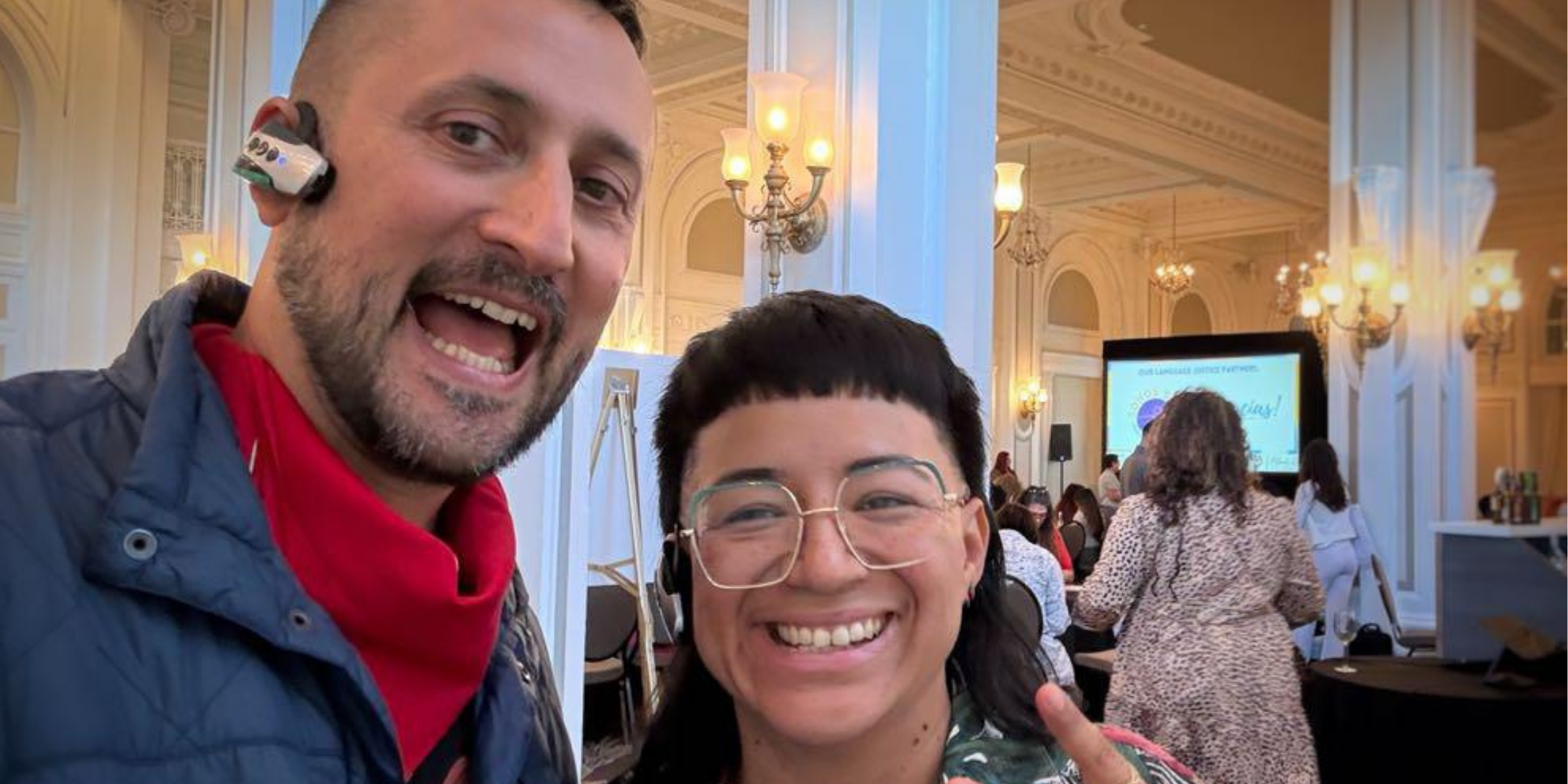
Recently, I presented at a conference where AI was used for interpretation, and it was a rude awakening to the lack of parameters we, as the HIV movement, have established when it comes to the use of AI. Before the conference, as a presenter, I was not informed that AI would be used during my session and in every session I attended and participated in. There was no information as to what data AI was collecting, storing, and processing. It was unclear if information would be stored, and if conversations and discussions could be used to train future systems. Throughout the conference, it became clear that the AI interpretation was on, regardless of whether anyone in the room needed it, and it became increasingly concerning that one had to opt out of AI rather than actively consent and opt in. AI as interpretation reinforces the surveillance of Black, immigrant, LGBTQ, and Latine communities, and people living with HIV. As many of our communities are experiencing the fight of their lives, AI is gathering sensitive information, obtaining political and organizing strategies, diagnoses and medications, immigration status, approaches to gender affirming care, and sexual behaviors. Live interpreters are bound by a different set of standards, including confidentiality and ethical standards, providing spaces that are transparent and community-driven.
The recommendations by the Latino Commission on AIDS are clear: meaningful involvement of people living with HIV must continue to be the central guide of our work, and thus, we must:
- Continue to invest in live interpretation and translation services.
- Commit to training and supporting live interpreters and translation services.
- Ensure funders continue to support and invest in language justice.
And if AI interpretation is used, there must be:
- Informed consent to the use of AI
- Information on whether data is being stored
- Disclosure that the information shared may be used to train AI systems
- An explanation as to why live interpretation is not being used, which creates community accountability
Many of us already find ourselves tempering our comments and presence online, as we recognize more and more the panopticon that is being established. However, to participate fully in this movement, we need to be able to have courageous conversations and create spaces that make that courage possible.
If you need support navigating Language Justice Practices or would like interpreter recommendations, please reach out.
Protegiendo la justicia de lenguaje en la Era de la IA
En 2019, el Latino Commission on AIDS emprendió un amplio proceso de compromiso con la justicia de lenguaje, reconociendo el valor y el papel fundamental que desempeña el lenguaje en la manera en que las comunidades acceden a la atención médica. Para nosotros, la Justicia de Lenguaje va más allá de la traducción o de responder mi pregunta favorita: “¿Esto está disponible en español?” La Justicia de lenguaje reconoce que el lenguaje es tan íntimo como la identidad y moldea cómo nos vemos a nosotres mismos, cómo interactuamos y cómo participamos en nuestra comunidad. Un principio fundamental del movimiento del VIH es el derecho de las personas a ser tratadas con dignidad, y la inversión en justicia de lenguaje es esencial para promover mayor involucramiento de las personas que viven con el VIH (MIPA, por sus siglas en inglés). Sin embargo, la creciente dependencia de la Inteligencia Artificial (IA) debilita los esfuerzos por centrar la dignidad humana y la individualidad, y esa tensión es particularmente evidente en el trabajo de justicia de lenguaje.
“El lenguaje es personal, visceral y poderoso; está ligado a nuestras tierras y a nuestros cuerpos. Cada vez que abrimos la boca para hablar con nuestros acentos y dialectos, nos identificamos y traemos con nosotros todas esas cosas. Cuando nos reunimos para tener conversaciones difíciles, es importante que podamos expresarnos en el idioma que mejor transmite la profundidad y los matices de nuestras esperanzas y frustraciones.”
– Highlander Research and Education Center Interpreting for Social Justice Curriculum
Nuestra nueva dependencia de la IA representa una amenaza directa al trabajo de justicia de lenguaje y a las políticas intencionales y al cuidado humano que son fundamentales para nuestra labor. Cada vez más, hemos visto cómo la IA ha sido incorporada en el movimiento del VIH, desde herramientas de toma notas impulsadas por IA en reuniones hasta el uso de IA para interpretación en espacios grandes. La interpretación mediante IA se presenta como una herramienta innovadora, eficiente y de bajo costo, pero para personas negras, inmigrantes, latines, LGBTQ+ y personas que viven con VIH, esta nueva dependencia genera serias preocupaciones sobre la autonomía política, ética y legal de sus propias protecciones e información. El uso de IA para la interpretación contradice los mismos principios sobre los que se fundó el movimiento del VIH: un compromiso con la privacidad, el consentimiento, la transparencia y la dignidad humana.
Como alguien que ha aprendido interpretación simultánea, sé de primera mano que los intérpretes capacitados hacen mucho más que simplemente traducir palabras. Navegan los contextos culturales del lenguaje, los entornos comunitarios, los dialectos y acentos, y las inflexiones emocionales de quien habla. Debido a esto, comenzamos a capacitar intérpretes sobre la historia del movimiento del VIH, los modos de transmisión, los avances biomédicos y el impacto desproporcionado del VIH en comunidades vulnerables. Nuestra formación también enfatizó la necesidad de utilizar lenguaje centrado en la persona y lenguaje afirmativo para las personas que viven con VIH y para este movimiento. Los Denver Principles son uno de los primeros ejemplos de la codificación del lenguaje centrado en la persona, afirmando:
Como alguien que ha aprendido interpretación simultánea, sé de primera mano que los intérpretes capacitados hacen mucho más que simplemente traducir palabras. Navegan los contextos culturales del lenguaje, los entornos comunitarios, los dialectos y acentos, y las inflexiones emocionales de quien habla. Debido a esto, comenzamos a capacitar intérpretes sobre la historia del movimiento del VIH, los modos de transmisión, los avances biomédicos y el impacto desproporcionado del VIH en comunidades vulnerables. Nuestra formación también enfatizó la necesidad de utilizar lenguaje centrado en la persona y lenguaje afirmativo hacia las personas que viven con VIH y este movimiento. Los Principios de Denver son uno de los primeros ejemplos de la codificación del lenguaje centrado en la persona, afirmando:“Condenamos los intentos de etiquetarnos como ‘víctimas’, un término que implica derrota, y solo ocasionalmente somos ‘pacientes’, un término que implica pasividad, indefensión y dependencia del cuidado de otras personas. Somos ‘Personas con SIDA.”
El lenguaje centrado en la persona ahora es más ampliamente adoptado por otras condiciones crónicas y también es una manera de describir a personas que viven situaciones complejas. Este lenguaje enfatiza que somos más que nuestras afiliaciones o condiciones y afirma nuestra dignidad. Desafía la reducción de las personas a sus diagnósticos, una práctica que también deshumaniza y permite la discriminación. Cuando afirmamos que alguien “es” una condición, minimizamos su autonomía porque las personas no están limitadas a una enfermedad o condición, y debemos honrar su individualidad. La IA no puede hacer esto. La IA no puede ser entrenada para reconocer la dignidad ni incorporar las complejidades que experimentan las personas que viven con VIH. La IA puede distorsionar significados, debilitar el consentimiento informado y crear entornos estigmatizantes porque carece de un enfoque matizado y humano.
Recientemente, presenté en una conferencia donde se utilizó IA para la interpretación, y fue un golpe duro frente a la falta de parámetros que hemos establecido, como movimiento del VIH, respecto al uso de la IA. Antes de la conferencia, como presentadora, no fui informada de que se utilizaría IA durante mi sesión y en todas las sesiones en las que participé. No había información sobre qué datos se estaban recopilando por la IA. No estaba claro si la información sería guardada ni si las conversaciones y discusiones podrían utilizarse para entrenar sistemas en un futuro. A lo largo de la conferencia, quedó claro que la IA estaba activada y escuchando constantemente, independientemente de si alguien necesitaba interpretación o no, y me alarmó cada vez más que una persona tuviera que excluirse de la IA en lugar de decidir participar voluntariamente.
La IA como herramienta de interpretación refuerza la vigilancia sobre personas negras, inmigrantes, LGBTQ+, latines y personas que viven con VIH. Mientras muchas de nuestras comunidades enfrentan luchas por su supervivencia, la IA está recopilando información sensible, obteniendo estrategias políticas y de organización comunitaria, diagnósticos y medicamentos, estatus migratorio, enfoques de atención de afirmación de género y comportamientos sexuales. Los intérpretes en vivo están sujetos a estándares distintos, incluyendo la confidencialidad y principios éticos, y ayudan a crear espacios transparentes y guiados por la comunidad.
Las recomendaciones del Latino Commission on AIDS son claras: mayor involucramiento de las personas que viven con el VIH debe seguir siendo la guía central de nuestro trabajo y, por lo tanto, debemos:
- Continuar invirtiendo en servicios de interpretación y traducción en vivo.
- Comprometernos a capacitar y apoyar intérpretes y la traducción humana.
- Exigir que los financiadores continúen apoyando e invertir en la justicia de lenguaje
Y si se utiliza IA para la interpretación, debe existir:
- Consentimiento informado para el uso de IA.
- Información clara sobre si los datos serán almacenados.
- Reconocimiento de que la información compartida puede ser utilizada para entrenar sistemas de IA.
- Una explicación de por qué no se está utilizando interpretación en vivo, creando así responsabilidad y transparencia comunitaria.
Muchos de nosotros ya nos encontramos moderando nuestros comentarios y nuestra presencia en línea, mientras reconocemos cada vez más el panóptico que se está construyendo. Sin embargo, para participar plenamente en este movimiento, necesitamos poder tener conversaciones valientes y crear espacios que permitan esa valentía.
Si necesita apoyo navegando las practicas de justicia de lenguaje o necesita recomendaciones sobre interpretes, por favor contáctanos.